When the power goes out and the cell towers go quiet, the only people who still know what’s happening are HAM radio operators. In a serious, extended grid-down event — the kind of event this site is built around — HAM radio is the difference between being informed and being isolated.
This guide gets you from zero to licensed and equipped for under $200.
Why HAM Radio for Preppers
The cell network is fragile. Cell towers run on electricity. Most have 4-8 hours of backup battery. When the grid goes down, they go dark — not immediately, but within hours. And even before they go dark, they saturate: in any significant emergency, millions of people try to call simultaneously and the network collapses.
HAM radio is infrastructure-independent. You need a radio, an antenna, and a power source (which can be a battery or a hand crank). That’s it. No towers, no internet, no cell provider.
HAM operators have a legal, organized communication system for emergencies. The Amateur Radio Emergency Service (ARES) and Radio Amateur Civil Emergency Service (RACES) are activated during disasters to coordinate communication.
Getting Licensed: Easier Than You Think
HAM radio in the US requires an FCC license. The entry-level license (Technician class) requires passing a 35-question test from a publicly available 412-question question pool.
The secret: the question pool is public. Every possible question, with the correct answer, is available free at arrl.org. Most people pass the Technician exam with 2-3 weeks of casual study using the free Ham Study app.
- Technician license: Allows VHF/UHF operation (local and regional communication). All you need to start.
- General license: Adds HF bands (worldwide communication). The goal for serious preppers.
- Extra class: Full operating privileges. Not required for prepper purposes.
Cost: $15 exam fee. No cost for the license once issued.
The Starter Radio: BaoFeng UV-5R

BaoFeng UV-5R Dual-Band Radio (2-pack)
The prepper's first HAM radio. Dual-band VHF/UHF, long range, works as a GMRS/FRS/MURS radio too. Under $30 per unit. Get two: one for your bag, one for home base.
⚠ Affiliate link — we earn a small commission at no extra cost to you.
The BaoFeng UV-5R is the most popular entry-level HAM radio for good reasons: it’s inexpensive, capable, and extensively documented. You can program it for your local repeaters, emergency frequencies, and weather channels.
Note: The BaoFeng can also transmit on GMRS and FRS frequencies — you need either a GMRS license ($35, no exam, covers your whole family) or a HAM Technician license to legally operate it for transmitting. For receiving only (monitoring), no license is required.
Key Frequencies to Know
| Frequency | Band | Use |
|---|---|---|
| 146.520 MHz | 2m VHF | National simplex calling frequency |
| 462.675 MHz | GMRS | GMRS emergency calling channel |
| 156.800 MHz | Marine VHF | Channel 16 — maritime distress (monitor only without license) |
| 162.400-162.550 MHz | NOAA | Weather radio (receive only) |
Beyond the BaoFeng: Upgrading Your Setup
Once you’re licensed and comfortable with your BaoFeng, consider:
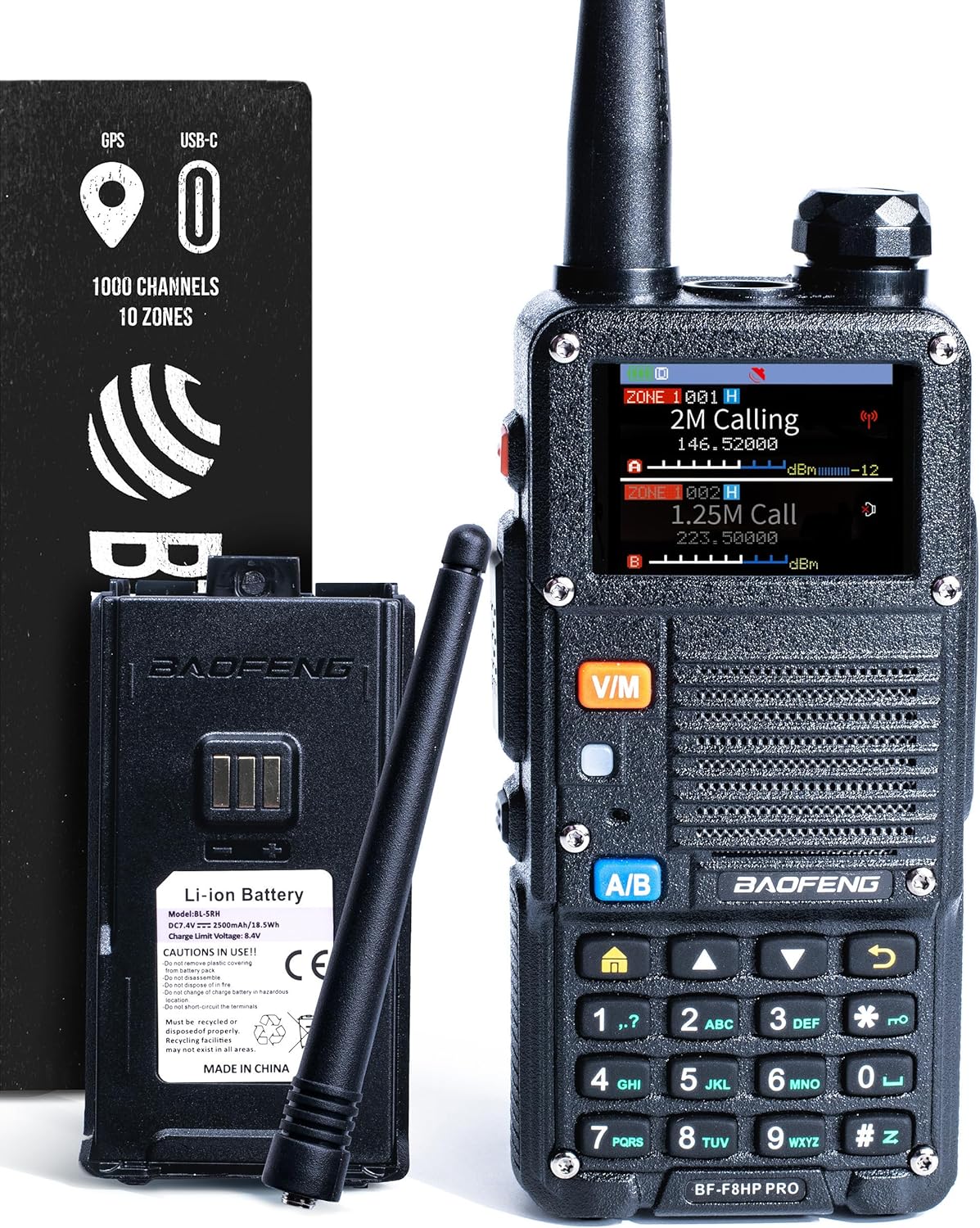
Yaesu FT-60R Handheld HAM Radio
The next step up from BaoFeng. Better build quality, improved receiver, wider frequency coverage. The radio many preppers graduate to after their first year.
⚠ Affiliate link — we earn a small commission at no extra cost to you.
Icom IC-7300 HF SDR Transceiver
Entry-level HF transceiver for General/Extra class operators. Worldwide communication range. For the serious prepper who wants to hear and be heard globally.
⚠ Affiliate link — we earn a small commission at no extra cost to you.
Your First Steps
- Download the Technician study app (Ham Study) today
- Find a local exam session at arrl.org/find-an-amateur-radio-license-exam-session
- Buy a BaoFeng UV-5R and start listening on your local repeaters
- Program in local repeaters and emergency frequencies (use RepeaterBook)
- Find your local ARES/RACES group and check in during their nets
Total cost to be a licensed, equipped, operational HAM radio prepper: under $100 including the exam fee.